October 8, 2026
A garden fence can help define an outdoor area while adding privacy, structure, and a clear boundary around plants and landscaping. The right choice depends on factors such as the garden's layout, desired appearance, maintenance needs, and level of protection. This article explains what to consider when choosing a garden fence and how seeking professional help can make the planning process easier. According to Ruby Home, 55% of United States households have a garden. With so many homes using outdoor spaces for flowers, vegetables, landscaping, and relaxation, garden fencing can be a useful part of the overall property design. A well-planned fence can give a garden a finished appearance while helping separate it from other parts of the yard.
Defining Your Garden Needs
Before choosing a fence, it helps to think about what you want the fence to accomplish. Some gardens need a simple boundary that separates planting areas from lawns or walkways. Others may benefit from a taller barrier that provides more privacy or creates a stronger division between the garden and surrounding spaces. Consider the size and location of the garden as well. A small garden may look better with a simple, open design, while a larger garden may call for a more noticeable boundary. A local fence contractor can discuss the space with you and help identify fencing options that fit the layout and purpose of the garden. It is also useful to consider how the fence will interact with the rest of the property. The garden fence should complement nearby landscaping, outdoor features, and the general appearance of the home. Thinking about these factors early can make it easier to narrow down your choices.
Considering Fence Materials
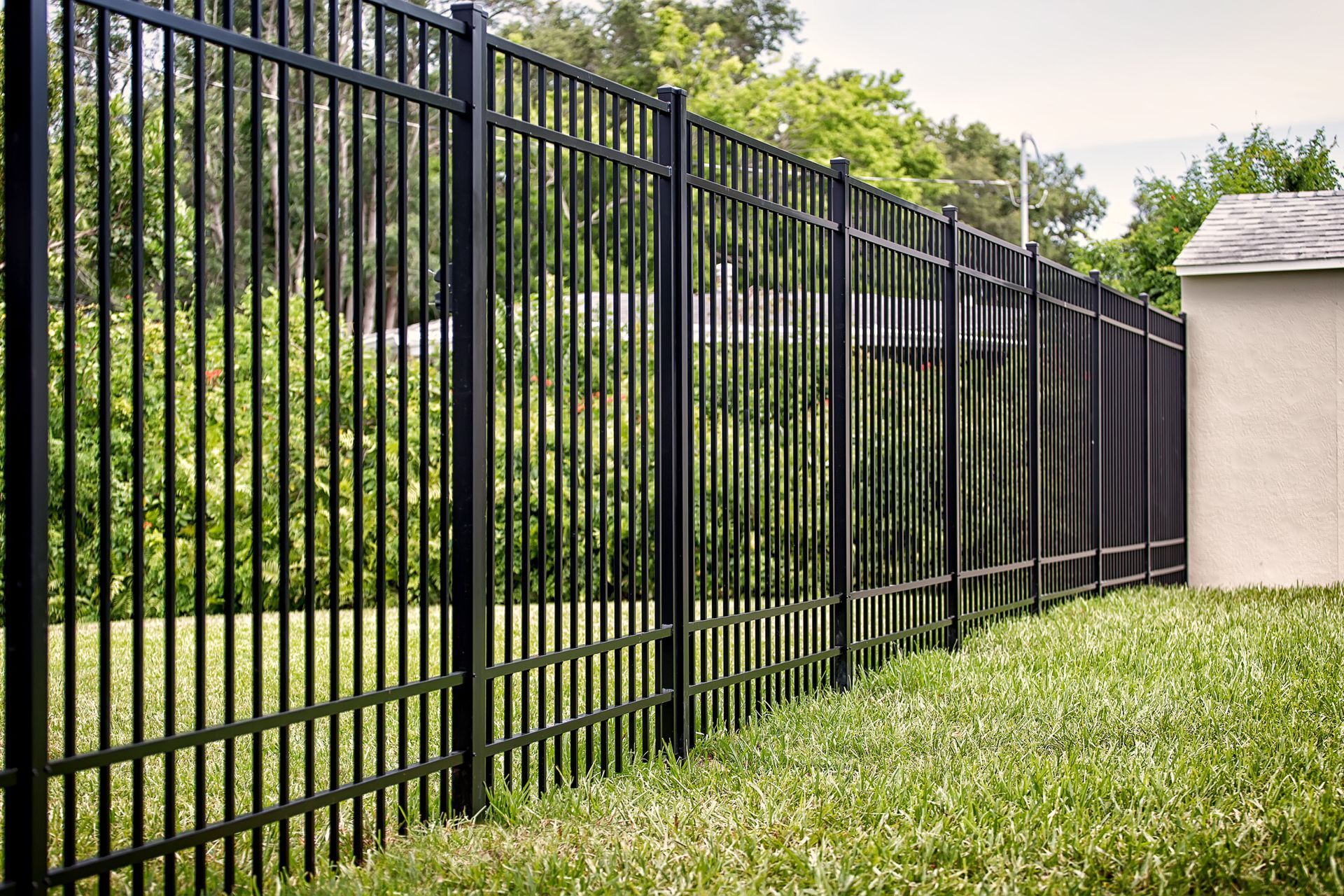
Fence materials can affect the appearance, maintenance needs, durability, and overall cost of a garden fence. Different materials offer different characteristics, so it is important to consider how the fence will function in the space. Some fencing materials create a traditional appearance, while others provide a more modern or simple look. The right choice may depend on the style of the home and the appearance of the surrounding landscape. Material selection can also be influenced by local weather conditions and how much routine maintenance you want to handle over time. A local fence contractor can explain the general differences between available materials and help you compare options based on your property. Professional guidance can also help you think about how the material may look as the garden changes throughout the seasons.
Choosing the Right Height
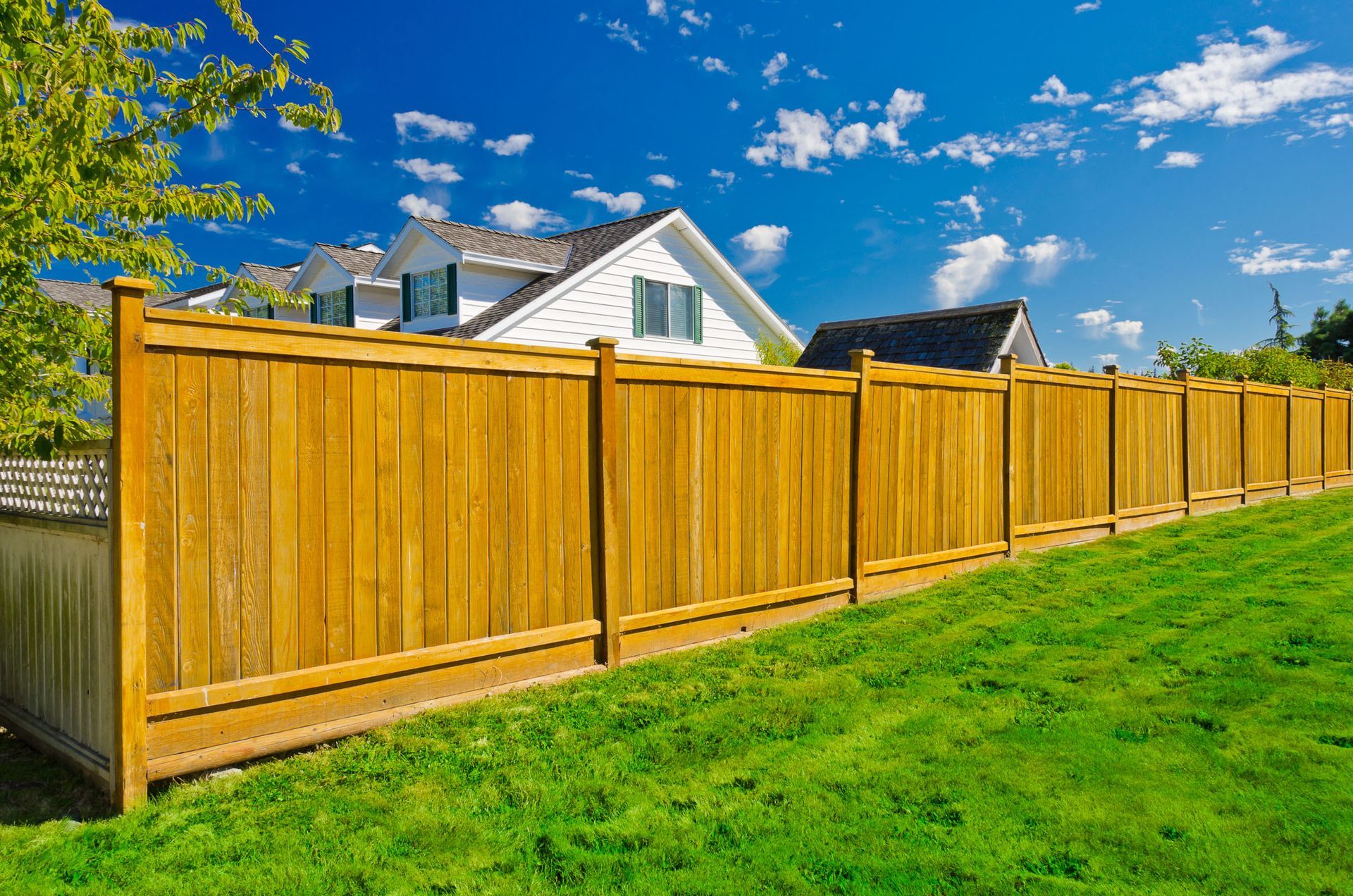
Fence height is another important part of garden planning. A shorter fence can provide a visible boundary without making the garden feel closed off. A taller fence may be more suitable when privacy or separation is a higher priority. The height can also affect the overall appearance of the garden and how easily the space connects with the surrounding yard. The ideal height can depend on the garden's location. A garden near a sidewalk, driveway, neighboring property, or busy outdoor area may have different needs than one located in a more private part of the yard. You should also consider whether the fence will block views or affect the amount of natural light reaching the garden. A local fence contractor can review the planned fence location and discuss height options that suit the space. It is also important to consider any local requirements that may apply to fence height or placement before the project moves forward.
Balancing Privacy and Visibility
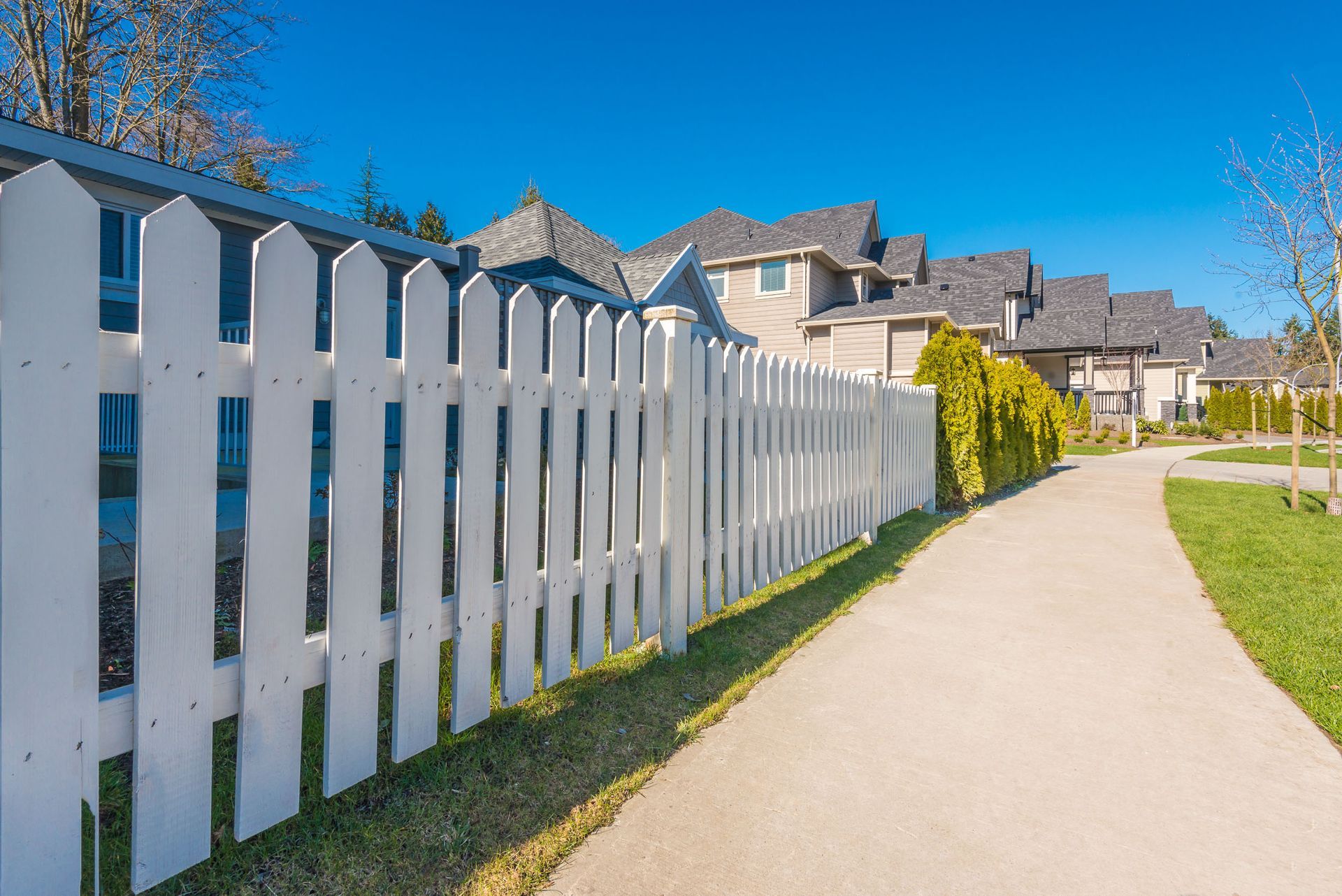
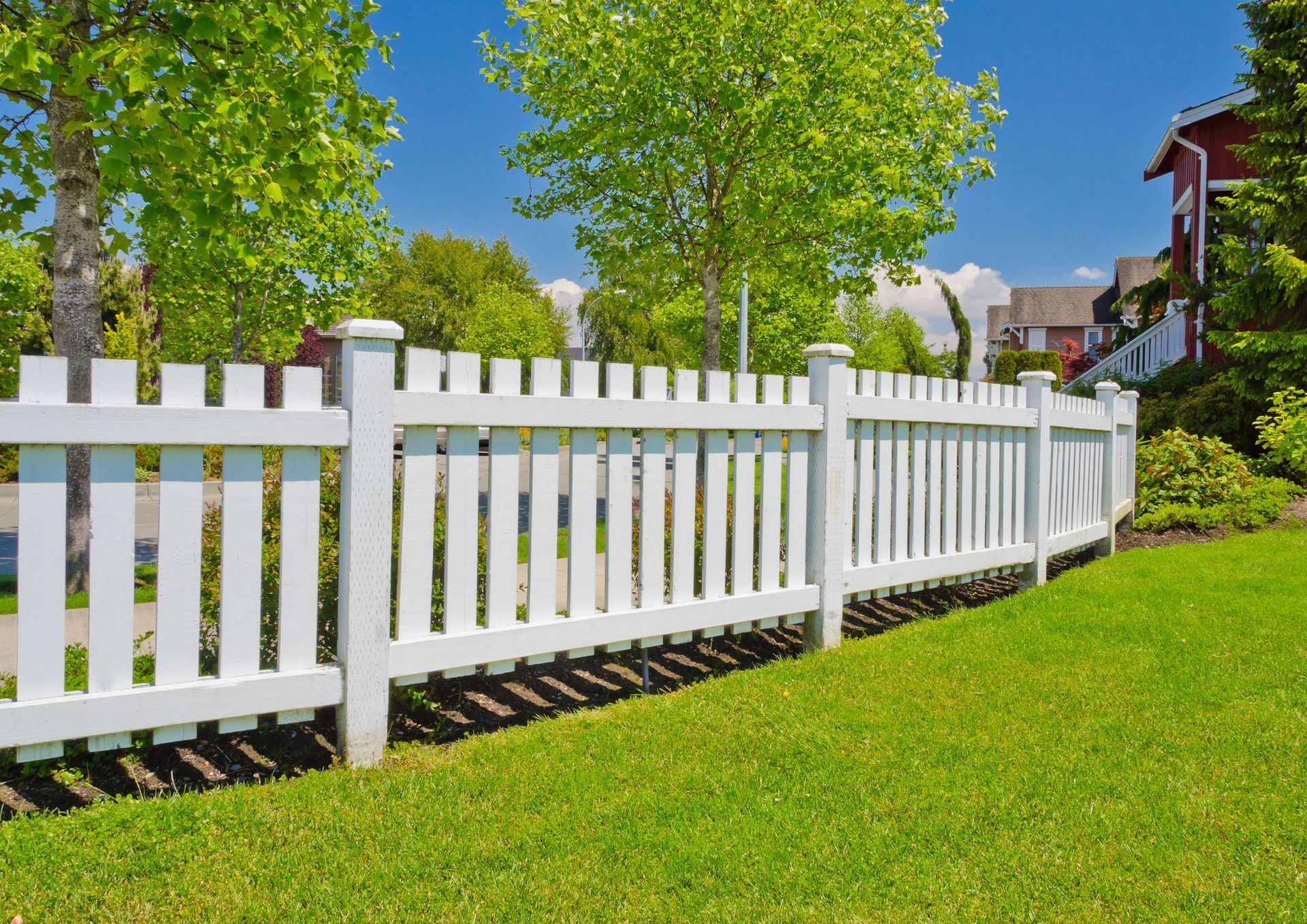
Privacy is often an important consideration when selecting a garden fence. A fence with less open space can create a stronger sense of separation from nearby areas. This can make a garden feel more private and provide a defined outdoor setting. At the same time, some property owners prefer to keep gardens visible. An open or partially open fence can allow flowers, plants, and landscaping to remain part of the overall view. It can also make a smaller outdoor space feel more open. This approach can help preserve sightlines while still giving the garden a clear and attractive boundary. The best balance depends on how you plan to use the garden. If the area is mainly decorative, visibility may be more important. If the garden is used as a quiet outdoor space, more privacy may be desirable. A local fence contractor can help you compare designs based on the level of openness you want.
Matching Your Outdoor Style
A garden fence should work with the appearance of the surrounding property. Color, texture, height, and overall design can all affect how the finished fence fits into the landscape. Think about the existing features around the garden, including walkways, patios, landscaping, and the exterior of the home. A fence that complements these elements can create a more consistent appearance. A design that feels disconnected from the rest of the property may stand out more than intended. Simple designs can work well when you want the plants and landscaping to remain the main focus. Other settings may benefit from a more noticeable fence that becomes part of the garden's visual design. Reviewing several possibilities can help you find an approach that fits the property.
Reviewing the Garden Layout
The shape and layout of the garden can influence the type of fence that works best. Straight sections may be relatively simple to plan, while gardens with curves, corners, slopes, gates, or unusual boundaries may require more careful consideration. Look at where the garden begins and ends and how people will move around the space. Gates should be positioned where they provide convenient access without interfering with paths, plants, or other outdoor features. The fence should also follow the property layout in a way that creates a clean and organized appearance. A local fence contractor can evaluate the planned boundary and discuss how the fence can work with the existing landscape. Professional planning is especially helpful when the garden has an uneven layout or other conditions that may affect fence placement.
Checking Property Considerations
Before selecting a garden fence, it is important to consider the property itself. The location of underground utilities, property boundaries, existing structures, drainage patterns, and other site conditions can affect where fencing can be placed. Local rules may also apply to fencing. Requirements can vary based on location, property type, fence height, and placement. Reviewing these considerations before installation can help prevent unexpected changes later in the project. Seeking professional help can make it easier to identify factors that may affect the fence plan. A local fence contractor can discuss the site and point out considerations that should be addressed before work begins.
A garden fence can do more than mark the edge of a planting area. It can help organize the yard, frame landscaping, create separation, and contribute to the overall appearance of the outdoor space. Choosing the right fence requires consideration of the garden's purpose, layout, style, privacy needs, maintenance expectations, and property conditions. The best choice is one that works with the space rather than simply looking good on its own. Taking time to compare options and seeking professional help can make it easier to develop a fence plan that suits the property. When you are ready to improve your outdoor space and work with an experienced local fence contractor, contact United Fence Company LLC to discuss options for creating a garden fence that fits your property and outdoor goals.